1. Identify the substance
The team checks labels, safety data sheets and the history of the site. If the substance is unknown, crews treat it as hazardous until it is identified.
Great Neck, NY · Nassau County
Landlords and homeowners in Great Neck call (877) 812-4220 when a move-out, an inheritance or a leak leaves chemicals behind. Crews identify the products, remove them and clean what they contaminated.
If anyone is in danger, call 911 first. For a suicide crisis, call or text 988.
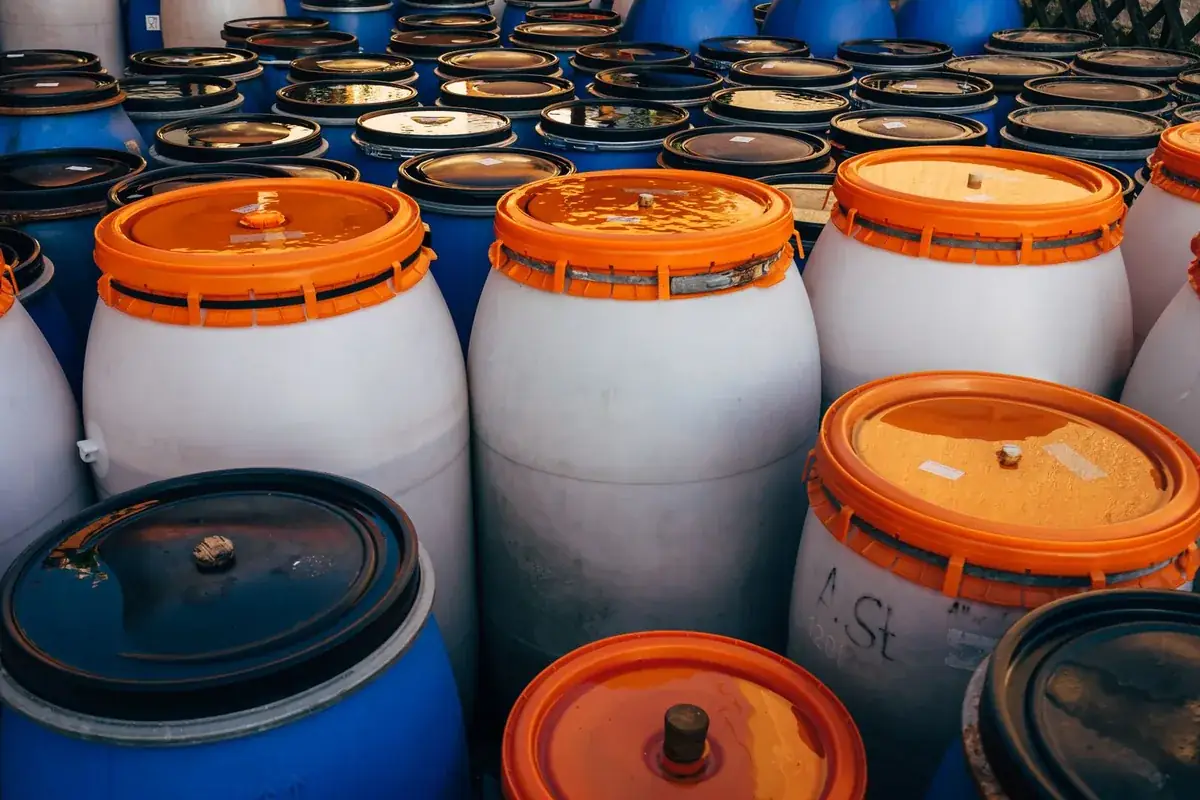
A chemical spill cleanup begins with identifying the substance and ends with waste hauled to a facility that can accept it. In between, crews contain the spread, remove soaked materials and clean the affected area.
If harmful chemicals sit in your garage, shed, unit or yard in Great Neck, call Great Neck Biohazard Cleanup Help. You get a careful team that keeps the site tidy and explains how waste is hauled.
Nassau County has a Relatively High river flood risk rating from FEMA, and floodwater can tip over drums and spread chemicals across yards. With vacancy at about 4% of homes in Nassau County, chemical problems are usually found quickly by residents or neighbors.
A typical chemical & toxic waste cleanup job includes:
The team checks labels, safety data sheets and the history of the site. If the substance is unknown, crews treat it as hazardous until it is identified.
People and pets are kept out. Ignition sources and unsafe airflow are controlled, and workers put on protective gear matched to the hazard.
Crews in protective suits remove the product and the contaminated materials. Products are never mixed, and tools used on the spill are cleaned or discarded afterward.
Different products are kept apart so that they cannot react. Waste is labeled and moved by the rules that apply to its type.
The cost of chemical & toxic waste cleanup in Great Neck, NY depends on the amount of material, how it is packed and how it is hauled.
Hauling and packaging count too. Drums, labels, secondary containers and transport are part of lawful waste handling and are priced into the job.
| Type of job | Typical range |
|---|---|
| Hazardous chemicals | $30 - $50 per barrel |
Estimates only, not a quote. Sources: Fixr. Price drivers include type of chemical, amount, packaging and transport, disposal fees. Call (877) 812-4220 to talk through the job.
Reporting rules depend on the substance, the amount and where it spilled. The local fire department, the health department or an attorney can say what applies. A cleanup team can explain the work and the records it can provide.
Small spills of familiar household products may be manageable with the label's directions. Unknown, large or hazardous spills are not. Never mix products. If in doubt, leave the area, keep people and pets out and call 911 or Poison Control.
Biological hazards come from living things, such as bacteria, viruses and body fluids. Chemical hazards come from substances like solvents, acids, fuels and pesticides. They need different gear, products and disposal, and some jobs involve both.
Yes. Many calls come from managers who find drums, jugs or unlabeled containers in a vacated unit. The lease and local law decide who pays, and the crew can provide photos and records.
You can reach Great Neck Biohazard Cleanup Help 24/7, including nights and weekends. A leak does not wait for office hours, and planning can start as soon as you describe the situation.
Waste is sorted, labeled, packed and hauled by the rules that apply to its type. It does not go in the regular trash or down a drain. Ask the cleanup team how its waste is hauled and disposed of, and ask for records at the end.
Day or night, the call starts with safety.
Call (877) 812-4220